Advancing Lung Cancer Treatment: The Promise of Novel Antibody Therapies
March 9, 2026
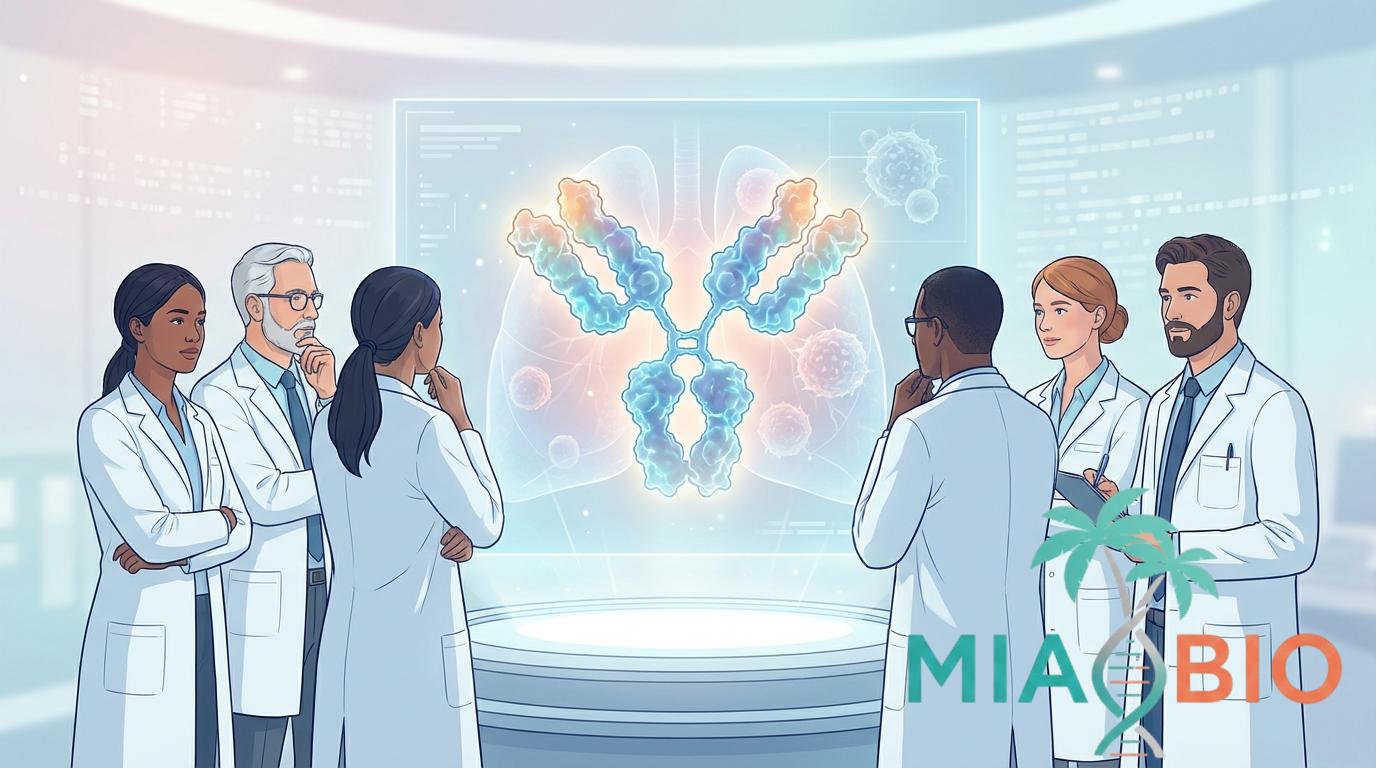
Advancing Lung Cancer Treatment: The Promise of Novel Antibody Therapies
Non-Small Cell Lung Cancer (NSCLC) remains a formidable challenge in oncology, particularly for patients diagnosed with unresectable Stage III disease. For decades, standard treatment protocols have aimed to extend life and improve quality of life, yet the search for more effective, targeted therapies continues relentlessly. In this ongoing pursuit, a significant clinical trial (NCT04092283) has emerged, exploring a promising new strategy: the integration of a specialized antibody with conventional chemoradiation, followed by a year of antibody maintenance therapy.
This trial represents a crucial step forward in understanding how immunotherapeutic agents can augment established treatments, potentially shifting the paradigm for patients facing this aggressive form of cancer. For the life science and biotech community in Miami and South Florida, this development is not just a scientific milestone but also a testament to the region's growing capacity for contributing to global health innovations.
The Clinical Context: Unresectable Stage III NSCLC
Stage III NSCLC is characterized by its localized but extensive nature, often involving lymph nodes but without distant metastasis. While surgery may be an option for resectable cases, a significant proportion of patients present with unresectable disease, making definitive local-regional therapy, typically chemoradiation, the cornerstone of treatment. Despite advances, recurrence rates remain high, and prognosis can be challenging. This underscores the urgent need for novel approaches that can improve durable response rates and overall survival.
A Synergistic Approach: Antibody Plus Chemoradiation
The trial NCT04092283 is designed to evaluate the efficacy and safety of adding a specific antibody to standard chemoradiation, followed by one year of the antibody as monotherapy. This sequential strategy is predicated on the understanding that chemotherapy and radiation can not only directly kill cancer cells but also induce immunogenic cell death, thereby potentially sensitizing tumors to immunotherapy. Antibodies, particularly those targeting immune checkpoints, have revolutionized cancer treatment by unleashing the body's own immune system to fight cancer.
The rationale behind this trial is compelling. By initiating treatment with chemoradiation, the tumor microenvironment may become more permeable and inflammatory, making it more susceptible to the immune-modulating effects of the antibody. Subsequent long-term antibody therapy aims to consolidate this anti-tumor response, preventing relapse and extending the benefits for patients.
Implications for Oncology and Beyond
Should the results of this trial prove positive, they could have profound implications. Firstly, for patients with unresectable Stage III NSCLC, it could establish a new standard of care, offering improved outcomes and quality of life. Secondly, it further validates the growing trend of combining different therapeutic modalities – chemotherapy, radiation, and immunotherapy – to achieve superior results than any single approach alone. This combinatorial strategy is at the forefront of modern oncology research.
Beyond the immediate patient benefits, such trials fuel innovation across the entire life science ecosystem. Pharmaceutical companies are driven to develop more sophisticated antibodies and targeted agents. Contract research organizations (CROs) gain valuable experience in managing complex oncology trials. Academic institutions strengthen their research programs, attracting top talent and funding. The intellectual capital generated from these endeavors can lead to further discoveries and new therapeutic avenues.
South Florida's Role in Biotech Advancement
For MIA BIO, this trial exemplifies the kind of cutting-edge research that we champion within the Miami and South Florida region. Our mission is to foster an environment where such critical investigations can thrive. By providing organizational infrastructure, facilitating networking opportunities, and highlighting significant advancements, we aim to accelerate the growth of our local life science and biotech cluster. Initiatives like NCT04092283 underscore the potential for regional contributions to global health challenges.
The involvement of local institutions, researchers, and biotech firms in clinical trials or supporting technologies related to advanced cancer therapies could position South Florida as a key hub for oncology innovation. This attracts investment, creates high-value jobs, and establishes a reputation for scientific excellence, benefiting the entire community.
Looking Ahead
The ongoing work in trials like NCT04092283 represents the relentless pursuit of better patient outcomes. As we await the results, the broader message is clear: collaborative, scientifically rigorous research, especially at the intersection of established therapies and novel biological agents, holds the key to unlocking the next generation of medical breakthroughs. MIA BIO remains committed to supporting and amplifying these efforts, ensuring that our region plays an integral role in shaping the future of life science.